Professional Drain Cleaning Service in Plano TX — What Sets Our Work Apart
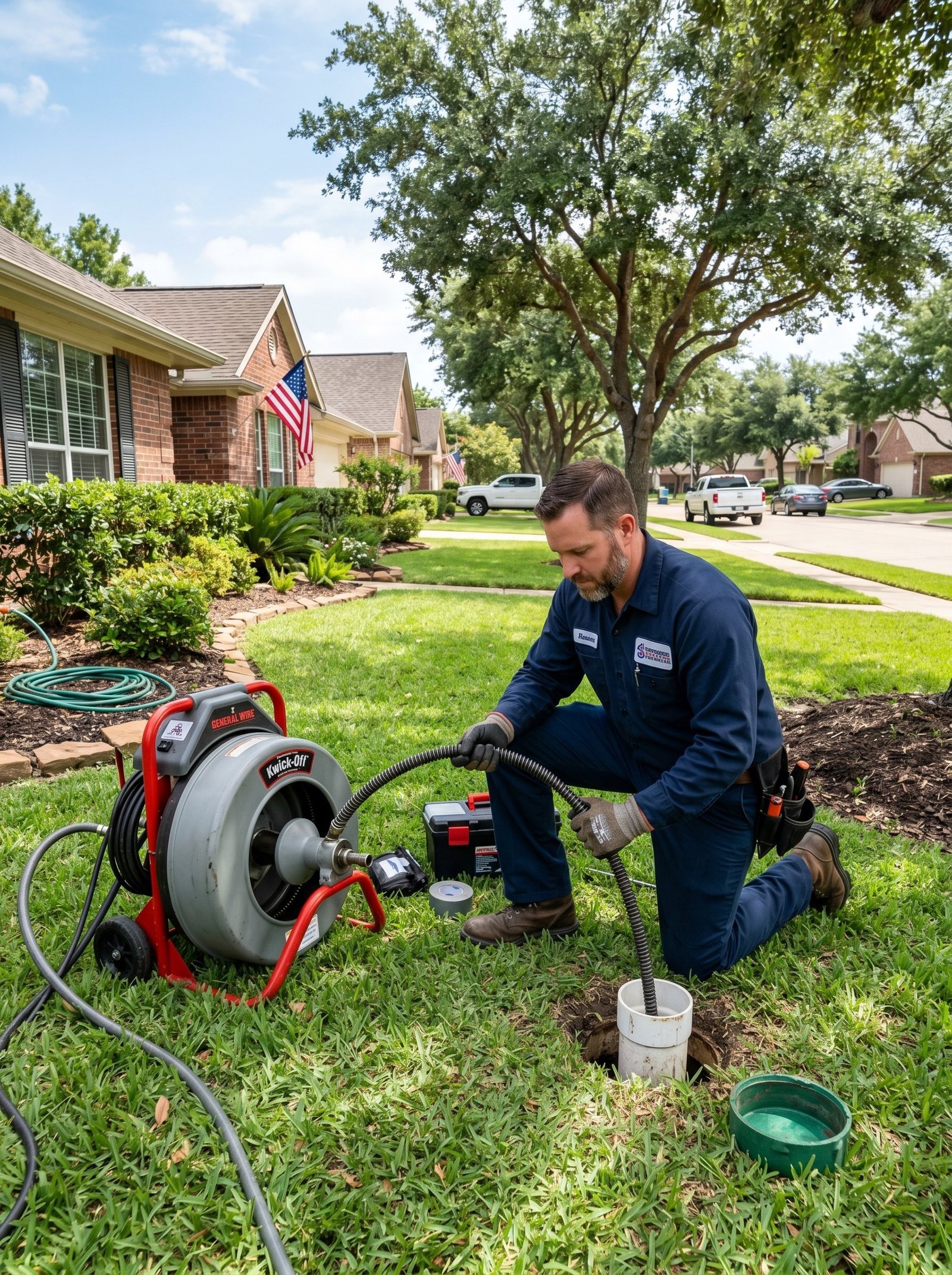
There is a significant difference between a drain cleaning company that shows up, snakes your drain, and leaves — and a professional drain cleaning service in Plano TX that correctly diagnoses why your drain is slow, selects the right equipment for your pipe material and blockage type, and verifies the work is complete before closing the job. DrainPro Plano does the latter, every single time.
Plano TX drains fail for specific, identifiable reasons tied to this city's water supply, soil conditions, and housing age. The North Texas Municipal Water District (NTMWD) delivers water from Lavon Lake and Lake Texoma at 17.2 grains per gallon hardness — nearly 2.5 times the national average. This exceptional hardness deposits calcium carbonate and magnesium scale inside every drain line in the city. Over 12 to 24 months, this mineral buildup progressively narrows your pipe's effective flow diameter and creates a rough interior surface where grease and organic material adhere faster. It is the single most common underlying cause of recurring slow drains across Plano TX.
Compounding the water chemistry issue: Plano's slab-on-grade foundations sit on expansive black clay soil that absorbs significant moisture each spring and shrinks during dry summers. This annual ground movement stresses underground drain pipes — particularly cast iron pipes under the slab — causing joint separation, pipe offsets, and pipe bellies. A licensed technician who understands Plano's pipe history can diagnose these structural issues before they become full sewer main failures.
Why Plano TX Drain Cleaning Service Requires the Right Method Every Time
The correct drain cleaning method depends on what is causing the blockage, where in the pipe it is located, and what material the pipe is made of. Using the wrong method — snaking a mineral-scaled pipe that actually needs hydro jetting, or applying full hydro jetting pressure to a deteriorated clay tile lateral — produces poor results or causes pipe damage. Here is how DrainPro Plano matches the method to the situation:
- Hair, soap scum, and soft grease clogs
- Single-fixture blockages in bathroom or kitchen
- Recent, localized clogs in PVC and ABS pipes
- Fast 30–45 minute resolution
- Approx. $75–$175 depending on line
- Does not clean pipe walls — removes clog only
- Mineral scale from NTMWD 17.2 GPG hard water
- Grease caps and FOG accumulation in kitchen lines
- Root intrusions in cast iron and clay tile lines
- Recurring slow drains despite prior snaking
- Approx. $275–$400 residential
- Scours entire pipe wall — restores full diameter
For sewer main line problems — where multiple drains are backing up simultaneously, sewage odors are coming from multiple fixtures, or gurgling sounds indicate a main line restriction — we always run a camera inspection first to determine exactly where the blockage is and whether the pipe can safely handle hydro jetting pressure before any clearing begins.
Our 5-Step Drain Cleaning Service Process in Plano TX
Drain Cleaning Service by Plano TX Neighborhood — Pipe Type Matters
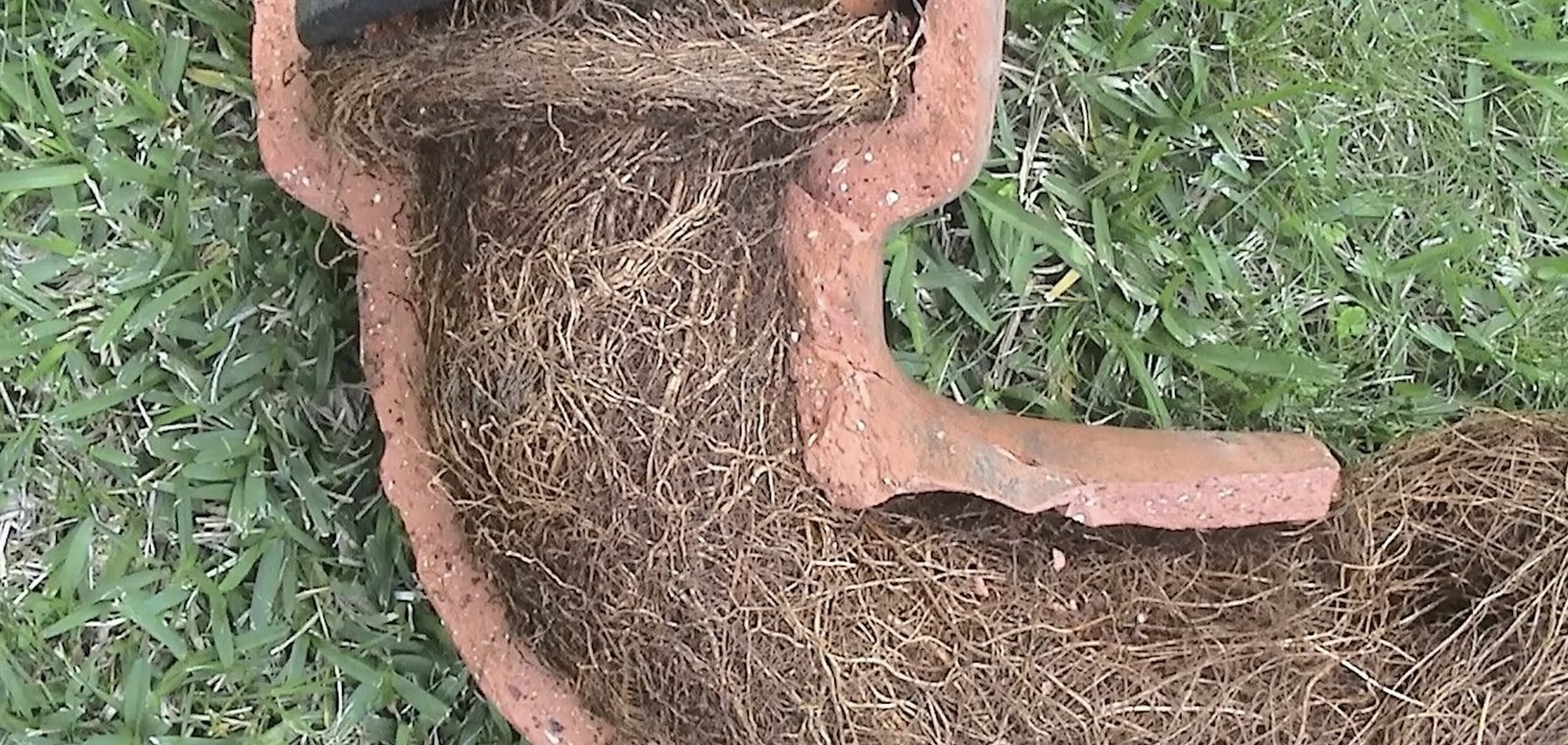
The correct drain cleaning service in Plano TX varies by neighborhood because Plano's pipe materials differ significantly based on when each area was developed. What works for a Legacy West PVC system is not the same approach required for a 1972 East Plano cast iron system. Our technicians know the difference and apply the right method every time.
| Plano Neighborhood | Primary Pipe Material | Build Era | Most Common Issue | Risk |
|---|---|---|---|---|
| East Plano / Downtown | Clay tile lateral + cast iron interior | Pre-1970 | Root intrusion, partial collapse, joint separation | High |
| Central Plano | Cast iron under-slab | 1970–1985 | Mineral scale, corrosion, pipe belly | High |
| North Plano / Willow Bend | Cast iron transitioning to PVC | 1985–1995 | Grease buildup on cast iron + scale | Medium |
| West Plano / Deerfield | PVC and ABS | 1990s–2005 | Grease accumulation + hard water scale | Lower |
| Legacy West / Park Preston | PVC / HDPE modern systems | 2000s–present | Hard water scale narrowing (primary issue) | Lowest |
| Russell Creek / Oak Point | Mix of PVC and late-era cast iron | 1995–2010 | Grease and scale depending on pipe type | Medium |
East Plano and Downtown Plano — Clay Tile and Aging Cast Iron
Homes in East Plano and Downtown Plano built before 1970 typically have clay tile sewer laterals running from the house to the city sewer connection, with cast iron drain pipes inside the home. Clay tile joints are the first entry point for tree roots — mature live oaks, pecans, and red oaks in these older neighborhoods send root systems through the smallest joint gaps. We always run camera inspection before hydro jetting in these areas to confirm the pipe can handle jetting pressure before we apply it.
Central Plano — Cast Iron Under-Slab Systems
Central Plano's housing boom in the 1970s and early 1980s produced a large stock of homes with cast iron drain pipes running under the concrete slab. These pipes are now 40 to 55 years old, corroded on the interior surface by decades of hard water mineral deposits, and subject to stress fractures from Plano's expansive clay soil foundation movement. Hydro jetting restores flow in these lines, but a camera inspection first is always recommended to rule out structural issues before applying pressure.
West Plano, Legacy West, and North Plano — PVC Systems with Hard Water Scale
Newer Plano areas built from the mid-1990s onward predominantly use PVC and ABS drain systems. These pipes do not corrode, but they still accumulate hard water mineral scale, grease, and biofilm from Plano's 17.2 GPG water supply. PVC systems are safer candidates for hydro jetting — we can apply up to 3,500 PSI without pipe damage concerns — and they respond very well to a single hydro jetting treatment that provides 18 to 24 months of clear flow.
Drain Cleaning Service in All Plano TX Neighborhoods
Click your Plano neighborhood for area-specific drain cleaning service information:
Nearby Cities We Also Serve
Frequently Asked Questions — Drain Cleaning Service in Plano TX
For comprehensive drain cleaning service in Plano TX backed by real local knowledge of your pipes, water, and soil conditions — call DrainPro Plano at (972) 782-5256. We answer within 2 minutes, give you an honest price range before we arrive, and don't leave until every drain is verified flowing clear.